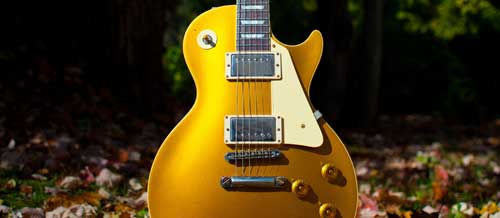
Michael Charvel on His Father Wayne Charvel’s Legacy

In this episode of Electric History: Guitar Stories with The Music Zoo, Tommy Colletti speaks to Michael Charvel of Wayne Guitars about the legacy of his father Wayne Charvel and the history behind the legendary brand that gave birth to the Custom Shop electric guitar.
When Wayne Charvel founded Charvel Guitars in 1974, little did he know that the company performing repairs and supplying young guitarists with spare parts would go on to change the way the world saw electric guitars. With a long and storied career, Wayne Charvel ran Wayne Guitars with his son Michael up until his sudden passing on July 12th, 2026. A longtime friend of the Charvel family, Music Zoo owner speaks to Michael Charvel about the history of Charvel Guitars and the legacy his father left behind. Watch this episode of Electric History: Guitar Stories with The Music Zoo now.
Shop Charvel Guitars Now:
Contact Us For Buying, Selling and Trading Charvel Guitars!
Contact us at (516) 626-9292 or sales@themusiczoo.com
Watch it & read it
Electric History: Guitar Stories | Michael Charvel on His Father Wayne Charvel’s Legacy · 153:03 · 25 chapters
Chapter 1 · 0:00
Electric History: Michael Charvel on Wayne Guitars and a Lifetime in Guitar Making
An opening chapter that establishes the personal relationship between Tommy and Michael and sets up a wide-ranging conversation about guitars, family, craftsmanship and rock history.
From the video
Hey, this is Tommy at The Music Zoo. For 30 some odd years, we've been selling guitars to beautiful people like yourself. Welcome to our episode of Electric History. Today, I have the pleasure of hanging and talking with a longtime friend, Michael Charvel. Michael, how you doing, Tommy? Good to see you, buddy. Good to see you, bro. So for what it's worth, we did this a few weeks ago and we had nothing but technical problems.
So, it everything looks fantastic now. I think we should be good to go. Yeah, absolutely. It's a thousand% better. We can actually hear each other and we don't have the latency problem. Yeah. Which Yeah. Made it really challenging. It was like an old version of ProTools, you know, like you're trying to play to a track that's all slowed down and Yeah. [laughter] I was filling every other word that you said I couldn't hear.
Chapter 2 · 1:49
Michael Charvel's Childhood at the Charvel Guitar Shop
The story starts with the visual side of guitar making: flames, colors and custom finishes that captivated Michael before he became a player.
From the video
The best place to start is probably the beginning. You know, the be when I say the beginning for you know, I want to know when you were old enough to visit maybe the shop for the first time and things that you things that came up for you when you would walk in the shop and your dad was working and you know, and how it all started sort of built from your perspective, you know, and I don't you know, I don't know if you want to do you remember your first memories of walking into the repair shop.
Yes. Obvious obviously I was a little kid, but I just remember, you know, when you paint guitars, you have them on rods and you put them on these little rod holders and I just remember seeing all these wild colored graphics, you know, flames and whatnot. And as a young child, you're very impressionable. So, I was like, "Oh, man. Is I didn't play guitar, didn't know much about guitar at all, but I just the colors were like, man, these colors, you know, stuff like this essentially, like but just on racks, you know, and so it's like I was like, man, this these colors are they're just so cool looking.
And I knew nothing about guitar, nothing about music or anything other than the colors were was like really impressed me. And ironically, later on in life, I started to learn how to do paint these graphics cuz I was like, man, that it just it sticks with you when you're Were you a fan of Hot Wheels as a kid and matchbox? Yeah, absolutely. I had Yeah, I had Hot Wheels and I think I was sharing this with you.
I think when we talked on the phone what a couple two or three times ago, but I think not all men, but most men generally we like to collect stuff and I think it starts when we're a kid. So it maybe it starts off with Hot Wheels or little, you know, the G.I. Joe figure. Sure. And or baseball cards cuz you know I play baseball and stuff.
So, it's like we just we like to collect stuff and as we get older, we're not playing with Hot Wheel. Well, some people still might be, but [laughter] or they're playing with their G.I. Joe, but I mean just as we get older, we collect, you know, this is our new collection. We like to collect guitars or amplifiers or cars or airplanes or whatever it is. But I think inherently u as a child, we just most men like to collect things.
Absolutely. And so, and the guitar is the perfect thing to collect, right? It absolutely is because it's not, you know, cars bea be become more challenging. One, because of the financial aspect to it, and two, for space, you know, especially here in New York, you know, if you don't have a place to put a car. Yeah. There's businesses out here that just literally store cars, even for very wealthy people.
They just like because they don't have enough room. So they go and there's a place right down the street from us that does that and they take care of it. They put it in a vacuum kind of thing, you know, like a almost like a plastic baggie and they vacuum seal it, you know, right? And then when you're ready to drive it in June or whatever, they unvacuum seal it and make sure it's got a full tank of gas and send you on your way.
Chapter 3 · 6:07
From Plywood Mini Guitars to Playing Guitar
Tommy credits Kiss, even before Edward Van Halen, with pulling him in by combining rock guitar, comic books, Monster Magazines and Godzilla movies into one package.
From the video
Well, that would be probably around when I got around 12. Okay. Because I would after school I would go to the shop and just work with my dad building model airplanes and then I would he would I would drive him crazy cuz I would take 3/4 inch plywood and I would cut little miniature guitars out of plywood and then paint them all up with graphics, right? [laughter] So it drive him nuts like that's my good plywood and you're cutting these little guitars up and cuz they were just you know so that was my first around 12 years old when I was actually at the shop with him.
Do you remember like what bands or guitar players that sucked you in immediately was it cuz for me it was even pre Edward it was actually Kiss because I was just like that's [ __ ] cool. I want to do that, right? [laughter] Like cuz it cuz they combined everything, you know, you talk about like things that guys like to do and this is a you know, like this is open to everyone obviously, not just like just young guys, but it's so it's so interesting that we gravitate to certain things.
So Kiss for me provided guitar, which was super cool. Music, right? Rock. It was heavy metal or hard rock, whatever you want to consider it at the time. Comic books and at the in the 70s, Creature from the Black Lagoon and like all those Godzilla with the God the Godzilla movies and the Creature from the Black Lagoon I guess were made in the '60s. But all of that stuff was just super cool.
Chapter 4 · 8:16
Van Halen, Floyd Rose and the Birth of the Superstrat
The conversation captures the moment Van Halen became a blueprint for a new generation of rock guitars.
From the video
Now this now we're in the early 80s at this point, right? Okay. So, all these long-haired dudes are coming in the shop. You know the look. And all guitar players and they're all saying one word, Van Halen. Van Halen. [laughter] Cuz everybody want, not everybody, but most of my dad's customers are like, I want a guitar that sounds like Van Halen with, you know, the one hubucker, the Floyd stuff, the Floyd Rose vibr.
Although at some point it was very hard to get the Floyd Rose vibr. Because Kramer, Ed had to deal with Kramer and so instead of getting if they couldn't get the Floyd, they would use Kahler, a Kahler flat mount vibr, which Gary's a great guy. Yeah. And but to answer your question, these guys would these rock and roll hair metal guys would come in and here's, you know, a 12-year-old kid sitting there messing around and do you play the guitar?
Chapter 5 · 9:34
Wayne Charvel, Surf Rock and the Early Southern California Guitar Scene
Wayne's power trio, spelled The Inx, knew about 250 cover songs with all three members singing, and $500 to $600 a week from gigging paid for a house in LA County.
From the video
Yeah. Okay. So, he was prior to meeting my mother and getting married, he played nightclubs for 13 years. Five, six nights a week and then sometimes after shows. So, and that was in an era where he had a really good band. Keep in mind, this is the early 60s, okay? Okay. 61, 62. So, like we were sharing last time, the Dick Dale is kind of the cool dude in Southern California.
He would have this rendevous ballroom and there'd be 3,000 kids that would go to see Dick Dale. And my dad and his best friend Lynn Ellsworth would drive down and go to see Dick Dale. I mean, it was crazy loud. Dick had the dual showman's with the 15s and the JBL D130s. And so they would go down there as kids and the place was packed and that's what really excited him about my dad about playing guitar, right?
And then my grandfather played as well. He played and sang guitar, played banjo. He was one of those, my grandfather was kind of those guys just he could get a piano, any instrument, one of those kind of guys, and just start playing it like, right? So my dad's like, "Got to get in a band because this is super cool." And so he taught Lynn how to play guitar and they formed their first little surf band.
That's incredible. And this is pro at this is probably like, you know, 1959, 1960. So, okay, this is senior year in high school essentially. So he started doing that, but he fell in love with it so much. And this was in that era once you got to a prolevel band, which eventually he did. He was making like $500, $600 a week back in the 60s. And crazy money.
Yeah, it was. I mean, he was buying a house and buying a brand new car from gigging five to six nights a week. And right in that era, it was 4hour set. So, four 45minute sets and you get a 15-minute break. Playing where? This is LA. All Yeah. All down in Southern California. Okay. LA County, played Hollywood, went up to Vegas, did Vegas. The whole a lot of the gigs and places he played overlapped the places that Van Halen played, but Van Halen, you know, 10 or 15 because the age difference obviously.
Where was he living? Like so was he living? So you said he bought a he made the money to buy the house. Actually he bought a house from playing the doing the gigs. It gave enough money to buy a house and where was it? Where was he living back then? He bought a house in I think it was Cavina which is LA County. Okay. So yeah. And this is he met your mom at this point or he still hasn't met your mom?
No, he hasn't met my mom because now he's in his early 20s and he's having the time of his life and because they're playing to packed houses. I mean rock I mean this is at the basically the birth of rock and roll, right? I mean you had prior to the 60s it was you know Chuck Berry, Little Richard. Sure. Elvis Presley that was kind of like the birth of rock and roll and then the Dick Dale came out with the surf and the ventures and he did all the ventures and all that kind of stuff.
So this is all pre Beatles, pre-B British invasion even. Yes. Yes. Fantastic. And then the Beatles came out, right? And then Beatles came out, the whole look of the band changed. And now all of a sudden he's like, now you got to start getting a lot better on the guitar because it's not three chords anymore, right? Because the Beatles are using diminishes and augmented chords and it's starting to get a little bit more complicated with all the, you know, the chord changes, right?
In the writing. I mean, the early Beatles stuff wasn't was a little simpler, but as they progressed, you had to keep up with the cuz that's what because he played in a top 40 rock and roll band. It was a top 40 rock and roll dance band. Because the club owners, they want a band that's one going to bring in a bunch of people and they want the people dancing so they get hot, sweaty, and want to buy what?
Chapter 6 · 15:22
Michael Charvels Band., Sunset Sound and Making a Living Playing Guitar
Frankie D, a Frank Sinatra impersonator who worked a three-room Santa Cruz wedding house and had at least a thousand weddings behind him, taught Michael how to MC.
From the video
Yeah. The Insects. As a matter of fact, when they recorded their first album, it was at Oh, I've got three hours of sleep last night. The famous studio Sunset Sound. Sunset. Wow. Yeah. And that's where the Dupy Brothers and Van Halen eventually recorded in that same studio with Beach Boys were recording there as well. Yeah. I mean, as people. Yeah. Yeah. Exactly. So, that's where they recorded their first originals.
But unfortunately, most of the gigs they did were predominantly all cover songs because that's what people they want to, you know. So, isn't it and you know, for people listening that are younger than us, you could make a living. I was at the cusp, but it you could make a living playing the guitar without having to have a record out without having you could so it for what it's worth here in New York.
The New York weddings are kind of almost famous infamous, you know, like these big crazy weddings that these pe these couples would have and the parents would pay for it and you know, 300 people or 400 or 500 people at a wedding and there was never a DJ. It was a full band, you know, and even in the early days of the music zoo, I remember a lot of those guys coming in, you know, who were constantly playing on the weekends and constantly had wedding gigs and those guys were living large.
You know, we're talking about I had one customer, this guy Lou, that became a good friend, but he would pull up in a Porsche and a new one, not like an old beater. Like he had like the current model Porsche. He had a huge house. He had kids. He was sending them to private school. He was doing all on wedding gigs, you know. Yes. And you know but on Long Island in New York at bar and bot mitzvah too you know it's just like these huge parties you know and there was a point when I was a kid that my parents were like you should play weddings because it was still like in I started playing the guitar in 78 so probably like it started dying off probably like 84 85 86 but there was probably a moment and I got asked to be in some wedding bands and I was like I can't do it but you know yeah I actually retrospect I wish I did because it would have been a cool experience, you know.
I did do weddings, by the way. You did? Okay. Yeah, I did weddings. I didn't do it as a band. I've got a friend of mine, Frankie D. He's an Italian Frank Sinatra impersonator. Okay. And he's a great guy. Builds guitars and he lives out here, but he's in Palm Springs. If you're ever in Palm Springs, he's got a full horn band and he does Frank Sinatra impersonations.
Dresses up and does Frank. He's really successful down there. You know, he's got people love him in Palm Springs, but before he moved, he worked in a wedding house in Santa Cruz because I think he worked with Santa Cruz Guitar, Richard Hoover, or I know they're good friends. Okay. And so, cuz I was in Santa Cruz, so my friend Frankie he worked at a wedding house in Santa Cruz.
Chapter 7 · 19:50
The Reality of Being a Wedding DJ and Live Music Entertainer
The story offers a funny but revealing detour into the business side of live entertainment and why wedding gigs were harder than they looked.
From the video
They didn't tell me, they left the details out. It's extremely stressful gig. And the reason why it's stressful is because the bride and groom have one shot at the wedding. So you better not mess anything up, right? Because they can't redo it. Sure. And for a woman, most women, getting married is the most important day of their life. That wedding is like, it's more important to a woman than it is a man.
The man's like, "Yeah, what time do I got to show up? Where's the tuxedo?" Right? But a woman's like, they get really, they can't get really stressed and emotional about it. Sure. Yeah. Exactly. So, the very first gig I do, I put 17 grand on a credit card because it ends up everything ends up costing way more than you think it's going to, right? You know, get all the speakers.
Well, now you need this. And what if something breaks? We need a backup. And I showed up in a tuxedo. I had two tuxedos in case someone spills wine on you because you're doing these gigs at night, usually Friday, most of them Saturday nights, sometimes Sundays. And they're at casinos or swanky places where there is no place to go get if you need anything, you can't get anything.
So, I spent end up spending 17,000 for all this equipment and the website. I had to get a website built, the business cards, blah because it's a business at this point, right? It's a If you have website now, you're in the 90s now, right? At least. Yeah. Yeah. Yeah. I'm not a kid anymore. I'm a full grown adult. And so I have I got 17 grand in it.
I go to the wedding bridal show, right? Because that's where I'm trying to get going to get some gigs because nobody knows me. I'm brand new at it. And I get back, my dad goes, "How does it go?" And I said, "Well, I got a couple people interested." But you I got, you know, this one party I'm just not sure on. You know, you're in retail. You like some people's like, "Yeah." And my dad's like, "You're doing the gig, man.
You just dropped 17 grand. You're doing the gig." I was like, "Yeah, I don't I'm kind of, you know, cuz I got my spider senses, right?" So like, "Okay, I'm going to do the gig." So I meet with the gal and the and her husband. We go over everything. I have an itinerary list of it. You know, at 7:30 I'm going to introduce this, at 8:30 it's the toast, blah.
So, it's all organized and I practice it the entire week because I'm besides playing I'm MCing this wedding, right? And so when I leave her house, she looked at me real serious. She goes, "Whatever you do not I'm not going to use the colorful world." Yeah. She goes, "Do not mess this up." Right. But she used a different word. Yeah. Yeah. Right. PG-13. But anyway, I don't know if kids are watching.
But that said, so now I'm like, "Oh my god, I'm like that adds It's like I knew I shouldn't have done this wedding, right?" But I'm a man of my word. You got to do it. I practice all week with the microphone doing all my stuff. I get to the wedding, the computer's not working. They're brand new Mac notebooks, but the thing's spinning. I got a kid working with me to help me load all the gear up, and I'm going, "Oh, my first wedding gig, right?" And I've practiced all week doing all the knobs, everything.
Like I got this thing in my sleep. Finally got the computer working. The place is packed. I introduce the bride and groom's first dance. Goes off smoothly. Then I said, "Now, ladies and gentlemen, it's the fatherdaughter dance." The father comes up and I ceue up the song, which she picked, right? Cuz I let them pick the music and she gets both of her hands and yells at me as loud as she can in front of like 400 people, right?
You're playing the wrong song. And I go and for so for like a brief second I have a mini heart attack. I'm like what? I'm like I got my and I looked at it and I go, "excuse me. This is what you signed off on cuz I didn't mess up. I had it correct. I had what she wanted." And then she goes, "Oh, I'm so sorry. It was my bad." She tells me, "Oh, thank God." [laughter] Yeah.
Chapter 8 · 25:23
Why Guitar Becomes More Than an Instrument
Wayne met Michael's mother at a gig and was married to her for 55 years; she is Sicilian, and Michael says she, her mother and his great-grandmother are all incredible cooks.
From the video
Like how the guitar is connected to so many things even from you know you'd have to admit that at some point when you started playing the guitar besides the fact that it was cool and that like you were hearing the name Van Halen And you just like there was the reason that you were getting sucked in. There had to be a little portion after you were playing a year or two going I might meet a girl this way too.
You like absolutely. Yeah. It's just like it was like human nature cuz you're seeing all of these bands that you admire and they're you know there's you know Madison Square Garden filled with people and you're just like wow look at all that agilation. This is pretty intense stuff. Absolutely. Yeah. And I you know and besides wanting to be Ace Freely or Eddie Van Halen or whoever, there was still a portion of that where you just like human nature is just like that's kind of cool.
And it's the you know like as much as you said baseball, right? Like so like as much as you like baseball, there's a point that you still want to get you at some point if you really love it, you start chasing minor league and then maybe if you're minor league then you just like well maybe I could maybe I'll make it to the majors, you know, like this is [snorts] this is possible.
My batting average is really good. I'm consistent. I show up. I don't get hurt. You know, like, right, it's going to h this could happen. So, you and I could completely go off in tangent. So, your dad's doing this. He's playing all these gigs. He's doing well. He bought a house. He bought the car. He eventually at one of these gigs runs into your mom. Is this what happens?
He meets her at a gig. Yes. Yeah. He meets my mother at a gig. Okay. And so he it was just a love at first sight. It's like a major attraction and like when you just meet somebody and you just lock eyes. That was it. Yeah. Yeah. And it's like Yeah. And so he was married for 55 years to her. Wow. And she's an incredible mother because that I mean everyone since my father's passed as you know everyone's saying some great you know.
Yeah. I'm sorry. We'll get that. I'm sorry. Yeah. But at any rate, you know, I've said some wonderful things and but I almost kind of feel bad like my mother's like she's also great, too. It's like we're not leaving her out. She was I got really blessed with some extraordinary parents. Your mother's Siciliano, right? Yeah, she's an italiano. Yeah, she is. Right. So, the food in your house, she's a incredible cook.
Yeah. And everyone and her mother and my and her my great-grandmother, they're all incredible Italian food because her great my great-g grandandmother is from Italy. Came out, you know, went to New York and then came out to California. But right now, they're all three incredible cooks. That's why it's hard for me to eat Italian food at restaurants, especially in California. It's not like New York where I think generally speaking, the Italian food is probably better in New York.
They seem to have figured it out. Yeah. Yeah. Not that there's some there are some great Italian. No, but you know what I mean. It's like I do, but it's there's so much involved in that. I mean, this that's another tangent. We won't get that. But it's I think it's the water. Yeah. I think it's the water. I think that's where it starts from, you know, and the bread and the and a lot of the food cuz they're cooking with the with water in New York City.
Water for whatever it's worth actually tastes pretty good. And then in California, they lived in California for a while, it's completely different. I've heard of places both in Florida and in California that like are these bagel stores and they'll call them like New York bagels and they actually ship the water out. Wow. Cuz the water tastes it makes everything taste different and they so apparently like that's part of the formula.
But yeah, it's very possible that the immigrants from Italy, they settled here from Ellis Island and they just stayed here and that's where it is. But, you know, like at this point now, you could go pretty much anywhere in the country and just get a legit meal. But anyway, so now like there's all this legit cooking going on. What was your dad's ethnicity if she was Italian?
Chapter 9 · 31:10
Lost Recordings, the Charvel Family Band and Analog vs. Digital
The twins tracked their originals on rack-mount Alesis ADAT machines, and Michael recalls losing five or six hours of a writing night to a Pro Tools I/O problem.
From the video
They're not They're still playing. But they're not gigging or recording. I think See, when they were in the fire, they had I think it's 12 or 13 complete albums of original music they recorded. Wow. Cuz that's all they did was play. That's what they did. They played music gigging and writing songs, but they burnt when the fire they lost all the masters and everything. Oh my god.
And you know, 13 albums is a lot of material. Some of the albums had 12, 13, 15 songs on some of them. Jeez. And I can't speak for them, but I think that just kind of maybe took the wind out of their sales as far as wanting cuz [clears throat] I keep encouraging. It's like you should get a little studio going cuz when they were doing it was the old rack mount Alysis ADAT machines, right, that you would record with like that VHS style tape.
And eventually they switched over to computer, but I was like, man, now is the best time to record in my opinion because there's a plethora of really cool gear. Sure. And with all the plugins and everything, you could actually get better tones, I think, than what their original stuff was. I agree with you in a lot of ways, although I'm still a lover of tape and analog.
Me, too. I love tape, dude. I agree with you 100%, man. I also for and I'm right on the borderline where like, you know, like there's been several times where I've basically taken a laptop and just flung it across the room because I've just like had enough where like one software doesn't work with another software, they're not like, oh, everything was fine in ProTools until I downloaded this reverb program and now like and now I can't even restart my computer, you know?
Chapter 10 · 33:17
Kevin Shirley, Wayne Guitars and a $32,000 Tape Machine
Shirley called from his studio in the Hamptons, and Michael, unaware he had worked with Iron Maiden and Aerosmith, turned the trade down when told the machine weighed about 800 pounds.
From the video
When I had Wayne Guitars, this guy calls me up and I'm just a young I'm a young guy when I when we started Wayne Guitars, right? This guy calls up and he goes, "My name's Kev Shirley." And I at this time I have no idea who this is, right? And he I have a studio out here in the Hamptons and he's all I'd like a couple guitars and I'll trade you a stutter A8 2 in realtore tape machine that I've he's like I got like $32,000 in modifications on this and at the time I didn't being ignorant I didn't know who he was.
Turns out he's a ma he's a he's the real deal major. Absolutely. He's done, you know, Iron Maiden, I believe, Aerosmith, Whitney Houston, he's done major albums, but I'm like I didn't end up tra I did not trade him because I didn't have I was like, "How much does that thing weigh?" He's like, "It's probably like 800 lb." I'm like, "Yeah, dude. I can't." In retrospect, I wished I would have traded him.
Chapter 11 · 34:59
Eddie Van Halen, Grover Jackson and the Charvel Guitar Boom
The chapter places Wayne Charvel's work inside the larger story of the 1980s hard-rock and metal guitar boom.
From the video
Unfolded for Grover, right? Like the success of Edward and his playing, right? His just like just meteoric guitar playing, right? That band and then within a year and a half or two years meeting Randy and then like the whole hair band thing with Rad and War D Martini and you know all these people and you've sold them guitars and made guitars for them. Did he ever look at it and go maybe I shouldn't have sold the company or and I know the answer already but yeah I don't think he did.
I don't think he regretted selling it cuz he still made after that he still built a lot of cool guitars for a lot of big bign big name artists as well. So it wasn't right he just did his I don't think he looked back and had any regrets on it and what I knew of your dad I could see that totally the case. And I'm cutting around here but I think this is a good se segue for it.
Chapter 12 · 36:22
Eddie Van Halen Visits Charvel and Orders Seven Guitars
Eddie flew into the small Chico airport with his manager, wearing his red and white Converse sneakers, and bonded with Michael's twin brothers over two days of jamming.
From the video
Yeah. He flew up and we he spent a couple days at the house and the shop and we picked him up at the airport and he flew into the Chico airport, the little tiny airport and okay, he had his red and white famous sneakers on. I remember his the Converse. So, but any rate, he came for a couple days and we just talked and jammed with him.
My brothers, my dad, they all played and jammed with him. And he really what's the word I'm looking for? He really bonded with the twins because he I think he could relate having a brother that was a drummer and you know the two brothers that are the twins playing together, right? And so he got a kick out of the twins because they're characters anyway. So, but yeah, he came up, we talked guitars, and we ended up building him seven guitars and then an extra neck.
But he sent up the original Boogie Body neck that was on the Frankenstein guitar and my dad took that and copied that neck verbatim. And I took tons of pictures of that neck to document it, right? Because it had a couple cracks in the headstock and the neck felt great by the way. And this is the big headstock. So this is the Van Halen one guitar. Yeah.
This is Van Halen one black and white guitar. Yeah. Yeah. And that was a 12in radius. Yeah. It was a 12 in with a 1 and 3/4 inch nut with two and 316 heel width. And it had rosewood dots on the fretboard, but for the life of me, I can't remember what the side dots were. They were either probably black or maybe brass, but I took photos of all that stuff, man.
I had it do because that's it's such an important neck in the history of guitars, right? And the fire, it wiped all that out. But I had everything committed to memory. I just can't remember the material that he used on the dots. I think this the thing that's so interesting about it that you said that I did not know is that Lynn Ellsworth and your dad were best friends.
Yeah. And that, you know, like in the 50s this friendship had already started that continued on because he made that neck, right? Lynn made the neck. Yeah. Lynn made the neck. Absolutely. Right. Yeah. Cuz they were Lynn and my dad went to high school together. That's how they became friends. Okay. They were high school. So now he's he sends that neck up. You guys, you know, like basically prototype necks like it and get it as close as you possibly can.
I guess you send back the neck or he comes up and gets it. Like what? So they you had that two-day meeting. Was he alone or was he wasn't he with his manager or Yeah, he came up with his manager. Yeah. Okay. He flew up with his manager and Yes. So we my dad hand made the first neck verbatim. If you closed your eyes, you couldn't tell.
And they felt identical. Okay. Cuz Ed took that neck, the original boogie bodies, and Ed took a file to it and he thinned it out. It was really, it was thin and wide and Ed flattened the back out and it felt great, man. It just felt cool. Felt really natural. So, to answer your question, we made my dad made that neck and sent it back to Ed and I remember when the UPS guy showed up cuz I'm thinking like this is Eddie Van Halen's neck, the original neck.
So, I told I forgot what I told the drivers, I'm going to come back. I like, "No, dude. Put that thing in your truck and guard it with your life. It's Eddie, you know, it's Eddie Van Halen's original neck, man." And I was actually I was when Eddie set it up, I was like, "Man, he sent this neck up, you know, shipped it up cuz I cuz you know, you ship every you ship all the time.
Chapter 13 · 41:15
Recreating Eddie Van Halen's Frankenstein Neck and Stripe Guitar
Following Eddie's own method, Michael cut the stripe guitar's pickguard with a soldering gun instead of a band saw and left the black and white stripes with no clear coat.
From the video
Yeah. And we ended up doing that was the black and white one which I did because Ed was telling me how he built that how he did that guitar everything. He was telling me how he thinned the neck because we're going to clone it, right? So who better to ask like well how did you do this? How did you put the paint on it? What kind you know all this stuff?
I'm taking notes to you know to get it as accurately as possible because we have all we have is the neck. We don't have the body. Right. Did you do like the shiny version of it or did you do the actual bicycle paint kind of? Yeah. Yeah, it was it looked it was like for example the pick guard. Ed said he took a soldering iron and he cut the pick his pick guard on the original one with a soldering iron and that's how he cut the shape of the pick guard on that guitar.
So just melted the plastic basically. Yeah. Just melted it off and then he just he sanded it. So, obviously we had band saws and routers to cut one, but I thought, you know what? I'm going to do this exactly even though it's going to take a little bit longer the way Ed did cuz he didn't have a shop or tools. Sure. Like that we were privy to.
So, I took a soldering iron soldering gun and I cut the pickard out for his guitar on a soldering gun and then I sanded it smooth and it was rough looking, but that was the vibe. And to answer your question on the paint, I striped it, you know, the black and white stripes, but it was not shiny, no clear, nothing. It but it had a cool vibe and that guitar sounded wonderful.
It just it sounded great. Do you remember what pickup you put in it? I don't remember the pickup. Okay. It was a Humucker of some sorts with a Floyd. More than likely it was a Seymour Duncan, but I don't remember. Okay. What iteration is Seymour Dun? So now he gets the guitar, he likes it, and does he come back up and say, "Let's talk." Or does now is this phone calls going back and forth?
Now it's phone calls. And then we ultimately ended up doing and I can't remember the exact number. We did some high gloss, black and yellows, red, white, black, and then I think we might have done a couple of the white black gloss where they look real shiny. And those some of those he donated to the Hard Rock cafes. Okay. So, you'll see some of So, now take So, now take me through your dad and this is the part that I find like you know I keep I had a conversation with Mike Shannon from Jackson just last week and he brought you up and I know Mike I met Mike.
He's a we talked about you for a little bit and the part of the conversation we had was the and I don't know if I used the word maturity with him but like your dad was you the I have takeaways from meeting your dad you know like in the and like I said when I so I visited your shop in 1998 999 2000 it was somewhere in there and I spent the weekend with you guys if I remember correctly.
Chapter 14 · 45:31
Why Charvel Turned Down a Major Eddie Van Halen Guitar Run
The decision illustrates the tension between explosive demand and the realities of small-batch custom guitar building.
From the video
Calm and so his decision after speaking back and forth with Edward and Ed wanted to go and do a run of guitars, right? Yeah. At ramp up. And your dad's decision was Well, we just it just dawned on both of us. It's like he's Eddie Van Halen. And he's, you know, he's the ultimate rock star. I mean, we there's just no way that we can produce all these because he's going to that guy is going to sell a lot of guitars and there's just no humanly way possible that we're going to be able to make all these guitars.
And my dad didn't want to get in a stressful situation where, you know, where are these guitars? How come they're not being made? We're on a, you know, one or two or three or five year back order. So yeah, we just the just we just couldn't do it. And one of the things that you had told me on a call or something was that the pool of luers in Paradise, California was probably two.
It was you and your dad, you know. So, it's not like if you were in maybe potentially if you were in Southern California and you could hire a half a dozen people to sand bodies and you know like wiring and whatever, right? That it would change. But I just thought that was just such a it was so him to make that decision and go my life will be better without doing that cuz nine out of 10 people would probably go we're going to [ __ ] figure it out.
Let's go. You know, [laughter] like and then get to get to the point where they're in exactly the situation that you're talking about. And he had the foresight to see that, you know, and be able to choose make a life choice as opposed to making like a financial choice or whatever, which I just think is brilliant. I don't think many people know this, so they know it now, you know.
Yeah. Well, money was never my dad's god. Yeah. You know, thankfully. Yeah. He was a creator, liked to make stuff and invent. He had a lot of inventions and whatnot. And he was more into that. He never was driven by money. Yeah. You know, but and like you said, it's if it would have been in Southern California, maybe because the thing with Southern California at the time, you've got, you know, Fender, obviously, you've got G&L, BC, Rich, Charvel Jackson, Tom Anderson, you got all these guitar companies.
And a lot of those guys, Shector, ESP, a lot of those workers, yeah, I worked for BC Ridge for three years, then I'm at Charvel, and then right now I'm working with GNL, and now I'm working with Wayne. So, right, you have [clears throat] the pool of people who've actually worked for these major companies. Sure, it's a lot easier to find people who know how to because there's art to sanding a guitar, believe it or not.
Some people think, "Oh, I'm just going to take a guitar neck." No, there's an art to doing it so you don't distort and mess with the curves and the geometry, especially on a guitar neck, right? So that was the advantage of being in Southern California. There's all these, right, guitar manufacturers and guys will they'll just move around. So take I have fond memories of the of besides v visiting you guys, most importantly, I remember the shop.
And did you guys build it together? I No, my dad built it. I did not. Okay. So, built it to the point where like poured a slab and then just literally started building the structure framing it up. Yeah. Wow. Okay. He did it himself. Yeah. Okay. Cuz he built it when he was in Southern California, he had a shop and he built it. Well, actually, I take that back.
The shop in Southern California was already pre-built, but he added on to it and he did the whole addition. He had a Marine friend of his who was a World War II vet. And the two of them built the add-on of the shop. Okay. And the guy his friend who was obviously older cuz my dad was not old enough to be in World War II obviously. U but the guy was a Marine about 6'5 just really super nice guy.
Chapter 15 · 51:02
World War II, P-51 Mustangs and the Charvel Family Story
A surprising family-history chapter that reveals another side of the people and experiences behind Wayne Charvel's work.
From the video
He got stationed at Duxford, England and then he was flying missions in Germany and he's you know those guys never talked about the war at all or any of that stuff but he would tell like you know stories about guys playing cards or whatever but the thing Then I remember this is the thumb how this all relates is they would send these guys up, you know, to fly and they had missions or whatever.
And he said that at one point he had a sinus infection or something was going on. He had a cold and what they did was basically take like a syringe and they jammed it in the side of his nose through his cartilage into his sinuses and sucked out the [ __ ] mucus so he could get up and fly. And he used to I guess you know I can't imagine the pain that was doing that but of course on the other side of it he had this great story you know and he and I heard that more than once and I think even a couple of times I was just like tell them the story about the scientistes [laughter] like it's insane you know like just like who would do that now to put you to sleep you know like just like you want yeah do what to me like no like but that was just like it like I'm going and this is I That's what I have to do.
Those guys, that generation was the toughest. My grandfather's from that generation. He was in World War II as well. And he that is the toughest manliest generation. Yeah. I worked with a little Italian guy named Sil. He was a B17. The belly gunner, a B7. And I worked with him one day. He laid cement. I don't know if you've ever tried to lay cement, but it's very taxing because it when it gets wet, it's really heavy when you're screing it across.
So, just a quick story. I was we're laying this cement slab. He's 83 years old at the time. Okay. I'm 40 and I got a kid who's 18 years old working with us. So, it's the three of us. So, we're 8:00. He gets there at 7:30, of course. Kid gets there 20 minutes after 8. But we start doing the job and halfway through the 18-year-old kid, myself included, like, man, this dude is kicking.
He's 83, but he's been doing it all of his life, so he's got he's used to the used to doing it. And I told the kid, I'm like, "Listen, man. Dude, you cannot quit at all. You cannot let an 83y old guy outwork you." I said, "He's kicking my butt, too, but just keep going. Just keep going. Just keep going. You have to You cannot let this guy outdo you." And he but he wore us out, but we kept moving.
But 83 years old, I believe it. Yeah. But now your dad is a was a he flew a P-51 Mustang. Correct. He did. Yeah. It was a P-51 Mustang. It was I forget which generation it was. But he had I think 14 or 15 Wow. I don't know if they called them kills or just shoot downs where he was I think they Yeah. Yeah. They put the little flags on the side of the plane.
Yeah. Yeah. So, he had that and I and oddly like the his picture in the P-51 with the SWAT stickers along the side was it was in our living room. It was we, you know, like at some point it was in one of the best or whatever. And it was just a back then, you know, as in the area that I grew up in Queens, a lot of not a lot, but there was a few other kids on the block whose dad was somewhere in the military.
They did different things. So to me it wasn't like it was just like a let's just you know it wasn't until later in my life where I realized like holy [ __ ] that's like some badass stuff you know and yeah and he was documented about 15 years ago you know it's funny how life works about 15 years ago before I met my wife I was going well no I was with her at the time and it was around the holidays and around the holidays like you both of my parents are gone so like you get sentimental And someone from the UK reached out to me and said, "Was your dad Anthony T.
Kleti?" And I was like, "Yes, he was." You know, I have footage from his plane when he was like in Germany shooting. He wasn't shooting down another plane. He wasn't in a dog fight. He was like shooting up a airirstrip somewhere and he's like, "I have had this footage. It's been, you know, like unclassified. Would you like it?" And he sent it to me and I was like, "That's awesome." So I spent and the story goes is that when the when in those planes when you would some not all of the planes but you would hit the guns, you know, like the trigger it would flip on a 35mm camera the color no less.
And while you were shooting the camera would go on to see exactly what was happening and documenting this footage and his plane happened to have the camera and it was just my god crazy stuff. Yeah. And they would put tracers on those bullets, too. Absolutely. Tracers. Yeah. That way you could see. Yeah. And so your dad he had 14. He got 14. Yeah. It was 13 or 14.
Wow. And he's been in a lot of I have the books at home. So every time like I guess he was still alive. Like if somebody published a book and he was in it, they would send him the book. So he's got a few where he's just in there documented. And everyone I haven't done it in quite some time and every once in a while I would Google him to see if anything new came up you know like oh [ __ ] but yeah pretty and he was in the tail end of the war so I think he joined in 44 so by 45 the war was over but had he kept going he probably would have been maybe I mean this is what I was told by people not connected to him people not like oh you're you know like a relative is going to tell you something different than some stranger but the input that I got from people that were not connected to me in any way and had no reason to blow smoke up my ass were telling me had he continued he would have been like a Chuck Joerger kind of dude he absolutely dude absolutely cuz I believe an ace at that time was five shoot down so he was your dad was a rock star man he was killing it so yeah he was absolute cuz I' I used to build the P-51 Mustangs I used to collect World War II when I lived in Southern California I would collect back World War II flight jackets with all the artwork on them.
Chapter 16 · 59:40
Movie Props, P-51s and the Charvel Connection to Hollywood
The story highlights the hands-on model-making and fabrication skills that ran alongside the family's guitar work.
From the video
Before C before CGI and computer work, he would make, you know, these really intense locomotives and airplanes and boat miniatures for the movies, right? And the reason why he had access to those planes, his dad was a really high ranking pilot. He flew a P-38 Lightning, which is a rare also very cool. Yeah. Yeah. And Yeah. Yep. Yeah. Yeah. So, you know, the plane and so that's how he had access to those P-51s.
But I'm thinking, man, if you just I think my dad's friend name was Jack Cessums. He's got a lot of fame in the movie business. I think he ended up buying one cuz he had the room and the area to put it. My dad's like, "Where am I going to I you know, my dad did a little bit of flying, but he never got his license." I was like, "What am I going to do with this thing?
Chapter 17 · 61:00
From Guitar Retail to Building Custom Guitars
To beat price shopping, the store stocked one-of-a-kind Martin custom shop guitars, after customers would play a $7,500 D-45 in the shop and then buy one online.
From the video
You guys be and take me through the progression because before you had the shop and you started building guitars, you had a retail store. Yes, I had a we had a retail store and in the back of the store we had a shop with all my dad's tools and whatnot. So, he was basically doing repairs, okay, guitar repairs in the shop and then I was running the retail part of the shop and the twins were giving guitar lessons and I had it was a hip little guitar shop for the area, right?
But eventually the as you know retail it's it can be taxing and challenging. It sucks the life out of you. Yeah, it can. Yeah. And I was like and that was right when the internet well the internet was already existing but I could start seeing the writing on the wall cuz eBay started getting really popular and right I was selling like the last year when I had the retail shop I was selling a ton of stuff on eBay.
I'm like you know what I think the future of this is going to change. I think the mom and pop stores it could they could go I hope they don't but it's definitely going to have a major effect with the internet and because a lot of times even in our shop it started happening where guys would come in because we were Martin dealers and I would try to get custom shop one of a kind martins so you couldn't go well guitar center whoever's got the D18 or D20 well ours is a custom shop it's a one of a kind so that way they're you can't really it's not you can't price shop it y but then because if you didn't do that guys would come in and they would bang on your, you know, D45 that at that time were $7,500 retail and then they'd set it down and they go buy one online somewhere.
Yeah. They like use your shop to just to do a sniff test. Yeah. Or whatever it was, you know, an amp or guitar. So, yeah. Like Yeah. They call it showrooming now, you know, like is that what they call that? Okay. Yeah. And the you know the thing that comes up for me it's and I always feel that things come in go in cycles and we're certainly at this cycle where like online is just such an import and it's never going away because it's created all this convenience but there are certain things maybe you want to buy your paper towels and your toilet paper and your cleaning products and your you know things like that or you know like your light bulbs you know you have a light out you might want to just get like a Amazon delivery as opposed to having to go to the hardware store.
I get it. But I feel like that the guitar artistic things, the guitar, musical instruments, something that's each one is going to be slightly different. There's still a point where people want to play it and touch it and feel it and each one is different. And I always, you know, we could line up a half a dozen Les Pauls in here and they're all like 59 reissues, right?
And the tops are very similar and they're similar weights and one is going to speak louder than the other. Amen. And the and it's funny how it speaks for different people in different ways. Yes. And I think that's one of the elements that's currently missing in the just like the click it now and assuming you got the exact same one that even your buddy got, you know, like Yeah.
Totally. So and I don't know how that happens. Everything you know how like it's going to go through this period and then it morphs and you know as I don't forget who I was talking to but it was pretty recent you know like when this when I have a lot of friends in the different guitar companies right and when guitars would get chosen to go to let's say a Sam Ash right big major retailer just famously just went out of business but it was a hundred years and they buy a ton of guitars or a guitar center or even for that matter like some like a Sweetwater.
The process of choosing what to send those send what guitars to where it they're less discerning because it's just such a big operation, right? And it doesn't make a difference if you're buying a manly, you know, like compressor or something like that. They're all the same. It's the same transistors. It's the same knobs. It's the same box. It's pretty much the same. But when it comes to guitar, it's different.
And if you have friends in the guitar business, they go, "Well, look at the top on that one. Send it to Tommy because Tommy's going to put it on Instagram and Tommy's going to talk about it and Tommy's going to, you know, like it and he's, you know, got these like customers that are like they're knowledgeable buyers. So, I think that's that kind of happens." So, it's it will get to the point where if you're playing the guitar, you will sus out.
You follow the guitar, you know, you follow the guitar. And as much as I appreciate my customers who come back over and over again, buy from us, you still follow the guitar to a certain degree. And I do too, you know, you just follow looking for a certain guitar and then, you know, you get a bug in your head for like, oh, I need a Les Paul Jr.
You're just like, and then you just start looking to see who's got them, [snorts] you know. That's Yeah, that's what I've been doing when I talked to you last. I'm looking for a J45. A J45. But and you just said something. It's with an acoustic. I was thinking, man, even though you're gonna, if I get one, you're gonna get me a great deal. I greatly appreciate it.
But in the back of my mind, it's like, dude, you can't play it ahead of time. You can't. And with an acoustic, that's even more important. Yeah. Versus V versus an electric guitar. Yeah. Because the acoustic guitar, the tone, there is no amp. You're not put run it to a Marshall amp. You're going to put a microphone or you're playing it on your couch. It's like that thing's and granted they have to break in.
I understand that. Yeah. But it's a little scarier buying an acoustic for me. Yeah. Let me name side unseen. You know what I mean? I'll name drop for a second. We Warren DeMartini is a friend. He's a friend of yours too. And at some point he was looking for a Les Paul and at the time Gibson was making a guitar called the Collector's Choice Series, right? And it was a bunch of different people that had collected guitars over the years and they brought the guitar into Gibson and they re they modeled it after that.
I remember those guitars. Yeah. One and there was they're still super cool and they're sought after. One of the guitars was it was called the STP burst. It was basically it was Ronnie Montro's 58. Okay. And for whatever reason that guitar was just like it didn't have the craziest top because Ronnie's didn't have a crazy top on it, but it just played really good. And we had two of them and Warren had talked to Brad Witford who had one and he was like I have to get one of these.
This is like the sleeper. So he called me and he goes, "Just play it and send me the best one." I was like to Warren Dy Martini. I'm like, "Dude, I'm sending you both." Mhm. Play both of them and then the one that you don't like or the one that you like less just send back to me. You know, like cuz he's going to be able to he's going to feel things that I'm not going to feel.
I can, you know, like it'll speak to me differently than it's going to speak to him. So, and that's what we did. But that's coming back to this whole guitar thing. It's just so each one is different. That's the that's what keeps me like one of the things that keeps me like chasing the dragon, you know, is they're all different and you keep looking for that like listen to this one.
And you play it or something create, you know, like you have these moment of creativity with the guitar that'll spur that with you. So my I want to get back to the shop. The my experience at the shop was just wonderful. That whole weekend I spent with you guys was fantastic. There was I on my notes, one of the things that just to kind of sum up the kind of person your dad was and h how intelligent he was about so many things like he was the guy that could if you had a problem with your car, you know, he'd just go out and be like, I think it's the carburetor.
And you just go get a screwdriver and you'd start working on it and tweak it and you just be on your way in a second. He was that guy built the shop on his own, right? He was telling me a story or telling us the two of us. We were talking about music and how you perceive music and everyone p perceives music slightly different because of your sinus cavity and the tur turbineates in your sinuses and depending on how you know like where you are what's the humidity where are you in the country like what does music sound like in your car might sound slightly different in Southern California with no humidity than up here in New York you know with 80% humidity on a summer day or just like and all those things affect how you know I and we all know it as guitar players.
You sit down one night with your guitar and you play and just everything's perfect. The guitar in seems inttonated perfectly and everything that you play is cool and you're just like I can't believe I haven't played in a couple of weeks. This is so much fun, you know, like why would I not do this like just forever? And then the next time you go back to it, could be the next day or a week later and you go back to it and you assume you're going to have that same experience and it fights you the whole time, you know, like and it's just it's so interesting like how he knew that concept of perception, you know, it's you know, like you and I will look at the same thing and we'll see two different things because our if we're looking at the music zoo mug, right, we both have a different perception of because of our vantage point or whatever and how we perceive all this stuff.
And he knew that when we talked 25, 28, 30, 32 years ago, whatever it was, just like one of the many things that I just that I that took away from him. I have another dad story which I thought was hilarious. I was prepping for this. I was on the Wayne Guitars website and I was scrolling through pictures and you the last pictures that you have up on the Wayne site from NAMM was 2008 and I remember that show specifically.
And I was just scrolling through all the pictures and everything. And I was going somewhere with this and now I'm forgetting exactly where I was going with it. Oh my god, I can't believe I'm forgetting exactly my train of thought. But he's just he had this just this I don't know this way of just sort of like seeing everything maybe differently than everybody else does. And I would assume because you worked with him, he's not only your father, but you worked with him for years and years.
You get to know somebody differently than just, oh, that's dad, right? He's the guy that drives me to school in the morning, you know, like or whatever. Like what was some of the takeaways that like from working with your dad all the time that you know, like it's what a fantastic experience, you know? Yeah. Well, it was an incredible experience and it was decades since I was 12 years old and up until the fire hit.
Chapter 18 · 76:01
Leo Fender, Charvel Paint Jobs and Custom Guitar History
A key piece of Charvel history centered on paint, finishing technique and the craftsmanship that made the shop stand out.
From the video
His booth at the NAMM show, Leo Fender came up to him and said, "Man, those paint jobs are just incredible. What are you doing?" Cuz that was painting. And when you build guitars, the most frustrating thing to do is the paint department, right? Because paint Yeah. I mean, a little nat or something lands on it or it the maybe the active reducer went bad and now it's curling up.
It's it can be extremely you try to get it down to a science but there's always that the wild card that sneaks in like oh the active reducer is no good that's why it crinkled up or wrinkled or whatever or that. So it's very So Leo Fender came up to him and said those paint jobs are incredible and that's how they that's how we u well he met Leo prior to the NAMM show.
I've got a actually I've got a picture of him hang on somewhere and just I'm not trying to go down all these rabbit holes. No, that's fine. This is a I want to know. Yeah. So, at any rate, here's how I got here's how I have this picture in case you're wondering because the shop burned down. Like, how would you have photos at the shop burned down?
It's a valid question. Well, right before the shop burned down, friend of ours, Paul Jervasi came up. He's a guy that made the Charvel documentary. Okay. And he came up with his video camera and he took P. Thank God he did. He took pictures of probably 90% of the artist and pictures my dad had on the wall. He didn't get them all, but he had those. And so after the fire of like, Paul, do you have he?
Yeah. So he sent me up. Now, they're not the resolution is not the best obviously cuz he's shooting them through glass, but at least we have them. So here's this is just a print out. I don't know how well this is going to show up, but that's Leo Fender and my father. And so he my dad met Leo before he was doing the paint jobs, but to answer your question, what was he doing for Fender?
I don't mean to go on a tangent here, but he basically Fender was the warranty repair for Fender for the paint jobs and sometimes the amps. He would retollex the amps and he was it was basically a warranty repair station because they didn't have time to repaint something. And so they would send all that to my dad and he would repaint the necks and the bodies for a warranty repair and then do the tox the amps if needed need be.
Okay, that's amazing. So any pictures that you have in front of you that you don't show now, just either scan them and just email them to me and then we'll put them when we post this whole thing. We'll put some of those if you Yeah, absolutely. I actually have I don't have every picture here, but I've got five or six photos I can as we talk I can show you some.
So scan them and send them to me and we'll when we post this conversation that we're having, we'll also put some of those pictures which would be fantastic. Well, here's a question to you, too. Yeah. Okay. Not to Here's a this is something cool. This remember the guy I was telling you about with the P-51 Mustangs? Yeah. Jack Cessum, the guy that did the movies. He was a brilliant guy.
Made all the models. He went to high school with my dad and he also played in a rock and roll band with my dad. So when my dad did the Zezy Top car guitars, I don't know if that shows up here. Yeah, those were off the Eliminator album. 1984 ZZ Top had Eliminator and they had a 33 Ford coupe. My dad was friends with Pete and Jake who made the California Kid, which is a black 34 roadster.
So, Billy Given called my dad and said, "Hey," he was interested in buying the California Kid, which is the black 34 and he didn't do it. He ended up getting buying a 33 and he had Pete and Jake build that Eliminator coupe. So, Billy's told was on the phone with my dad said, "We want to make some guitars for this tour." And my dad's like, "I got an idea.
What if we do a car guitar and the knockoffs will be the volume and tone of the, you know, for the potentiometers." And my dad's like, "Let's get it to shoot smoke." So Jack, this is Jack Cessums. This is the guy that did that played with my dad's band was a high school friend. And I don't know if it will pick it up. That's the smoke coming out of the tank.
I could see it. Yeah, I could see it. You got to [clears throat] scan. You got to scan all this stuff and send it to me. And then this right here, just to show you what the exhaust pipe looks like. And so that's Jack. And that was at Jack's shop cuz Jack had a lathe and my dad made. There's the exhaust pipe where the smoke would shoot out.
And then these right here, the wheels were all aluminum, which he made at Jack's shop. And then the knockoffs would be the volume and tone control. And so this is the first picture of Jack testing it out. And Jack was a genius in his own right. He did the miniatures for like the Fall Guy and Night Rider. I believe he did Dukes of Hazards. Like when you see the Fall Guy truck in the intro where it's jumping out and it he did all those miniatures.
He made all those. He did a lot of the movie props and like I said, my dad he would hire my dad sometimes to make movie props. But so that's that those are some pictures of that car guitar. That guitar currently is in the Peterson Museum down in LA, I believe, last I heard. Okay. Yeah. And the bass, it was a matching guitar and a matching bass.
I remember what I was going to ask you before because I was talking about the website in 2008, and this kind of intersects into it a little bit. [snorts] We were you we're all at the NAMM show together. You're displaying that evening. I think we agreed like let's just meet up. We'll have a beer. And we wound up meeting in the Hilton. And it was you and your dad, myself, two or three guys from, you know, like employees from the music zoo.
And in the Hilton there's always a band playing and there's a big bar and everybody's kind of bsing and connecting and people that you haven't seen in a long time. It wasn't like this where you could just have a call and see each other, you know, you just wouldn't see somebody free for an entire year. You talk to them on the phone, but it was nice to see them in person.
So, we're at the Hilton and in walks Dan Erlawine and sees your dad. And now [snorts] Dan is just like, "You're the greatest." And your dad is just like, "You're the greatest." And we're all watching this unfold as the two of them are just kind of like so complimentary. And Dan Lewin's a really super sweet guy, too. Yes. And I was just I just all I remember about that whole thing was just like I can't even believe that I'm here witnessing this whole thing.
Just like let me keep drinking my beer and watch this whole thing unfold. And it was hilarious. It was absolutely hilarious cuz Dan went into great detail at reminding your dad of everything he knew already, but he did it in front of all of us. It was wonderful, you know, and your dad same thing back at him and the two of them which it was like a big love fest.
Chapter 19 · 84:57
The 2018 Paradise Camp Fire and Losing the Charvel Shop
The interview turns deeply personal as Michael explains what was lost and what it meant to lose the tools and objects connected to a lifetime of guitar building.
From the video
What it was. And it's hard I think it's hard to wrap your head around until you hear it like firsthand from somebody kind of accounting it and then you go I can't even imagine something like this unfolding in my town or whatever. So it was in two 2018. Yes. 2018. 2018. And it was called the campfire. That's what it's called. The campfire was the quote unquote the campfire.
The campfire. Yeah. So, take me through. So, and let me work up to this a little bit. Paradise, California. Would you Is that the foothills of the Sierra Nevada mountains? Is that correct? I think so, but I'm not 100% sure. I should know that I live there and don't even know that. And you were surrounded by redwoods. Predominantly pine and oak. Pine and oak. Okay. And there might have been some redwoods in there, but I think predominantly off it's probably I remember the pine trees.
Yeah. And how what was it? Do you remember the elevation there? Like it's it you weren't at sea level, that's for sure. Right. No, it's No, I don't know what this elevation was. All right, we'll figure that. It's maybe 800,000 ft above sea level. Maybe more. It for what it's worth, you know, like and I'm not the most traveled guy in the world, but it was one of the most beautiful places I've ever visited in my entire life.
And I had left there going, "Mike's got it figured out." You know, like you had at the time you were driving like a cool hot rod pickup truck, you know, you're making guitars, you know. It's all these rock guitar players, celebrities are coming out to the shop and wanting access to your guitars. And I was just like, man, this is what a great life you've carved out.
So now and now then tragedy hits, right? So, from what I understand, it was some kind of arc thing. Something from P. Was it PG&E? PG&E. And something arked and created a spark, started this whole fire. Yes. It was in the morning. So, wait, you were at your house? Yes. And had it like did you just wake up? Was it just another normal day or did you get woken up by like, "Oh [ __ ] I got to get the hell out of here." Or I actually woke up like it's just another day and I think most people are creatures of habits.
We have our morning rituals that we get up and whatever that might be and we do that. And but I wasn't I thought this would just be a normal day. The whole thing was very surreal because little did I know five hours after that everything that I had would have been absolutely wiped out. So it's a real head trip. You're like wait a minute I was just and you're not expecting it.
Obviously it's unex you know. Sure. It's like you're like five six hours later like whoa what just happened like I don't have a house anymore. I don't have anything anymore. So but to answer your question no I got up and I probably made a smoothie. It's usually what I do for breakfast and you know get ready to do my day. And yeah, my dad called me said that man there's a crazy fire out here and I went outside and it was insanity.
It was just like the whole sky was literally black. Like it was night time but it wasn't cuz it was in the morning. It usually would have been sunny out providing it was not raining or cloudy. It was like dark from all the smoke and the and there was just we tal about trace tracer bullets on the P-51 Mustangs. Just imagine millions of those, but there were embers just going bam everywhere.
And then just like there's there was fire like walls of fire. And it's like I got to get out here. I got to get out of here right now because if I just instinctively like if you don't leave right now, you may not make it out of here. So Jesus, I went up in my truck because I had a gate and about 150 foot stretch where my house was to the gate.
And I drove up thinking I'm going to drive out, but I was soon mistaken because the streets were people were freaking out, right? Rightfully so. And so there were all these cars and like nobody's letting me get out of my driveway because people are, you know, they're in fear of their life understandably. Like no one's letting me out. And then you're seeing people run down the street with a suitcase or a sleeping bag and they're literally running on foot, right?
So I'm thinking, I got to get out. I like at that point it's like you could die. Like this is it's you know it's like you're you could die here, man. You need to get out of here. So I was in a lot better shape physically. I was working out and riding bikes and stuff. I had a bike a 21 speed. I'm like you know what? I'm just going to ride I'll ride down I'll ride out of this thing on a bike.
That's how I'm because no one's going to let my car out or my truck, right? Okay. But I started riding out and it was so hot. It was so hot. Like I only got, you know, not very far. Maybe 10 ft on the little bit maybe a little bit more, a little bit less, but not far. It was so hot and I couldn't breathe. You're breathing in like hot fumes that I've never experienced before.
And the smoke was burning your eyes and I thought I got a better chance in the truck. So I did. I literally threw the bike down in the street there, ran back in my truck cuz it was right up on the street. And I was just, God, please let me get out of this alive. And thank God, some elderly lady, she go ahead. Like, thank you, Jesus.
And I pulled my truck out. And so now I'm on the main street there. But there's here's the street I'm on. There's another street coming this way. And this street here dead ends. So, as I'm waiting in line, there's a probably 150 ft, 125 ft pine tree, and it's on fire all the way to the top. So, I'm thinking the worst case scenario, like if this thing drops and it drops on this cross street, all the cars, we're all dead because if it drops, it's probably going to be at least, you know, two and a half to three feet tall.
You're not going to drive over it. You're not getting on fire. It's on fire. And even if it wasn't on fire, unless you had a big four-wheel drive monster truck, you're not going to drive. We're all dead. If this thing ain't falls, we're dead. And on that cross street, 17 people in their they died in their cars because they just got out too late. They couldn't get out and they died.
But thank God I got past that tree and I didn't fall obviously. And but just to put it in here's what I'll share with you. I wrote a song about it cuz the words just came they just came to me like that cuz I lived it, right? And so I wrote the song. It's called Paradise on Fire. Now I'm not trying to push the song. It's free on YouTube.
So, I'm not selling any. I'm just What I'm going with this is if you really want to see how frightful I can tell you about it, but on my video, I had a friend and he made a YouTube or not a YouTube, but a video on his phone to text his mother. Now, I'm paraphrasing this, but he's like, "Mom, I love you. I love you. I'm in this fire.
Chapter 20 · 95:00
After the Fire: Finding Shelter and Starting Over
At the end of his video The Paradise Is on Fire, Michael lists the 88 people who died, including a friend who stayed behind with her Great Dane and cats.
From the video
Okay. And it took a long I remember it took a long time way longer than it would normally had been because of the traffic all the there was you know volunteer police and firefighters and they would be like no you can't go down this road you've got to go down this road and so normally I ended up in Chico but normally it would have ended up without the fire I could be in Chico in 20 25 minutes I forgot the exact time it felt like it took off forever though, man.
Cuz Right. From where you were living, how far away were your folks house? Were they farther away from the fire? And No, they were all they were in the same amount of fire danger that I was. They were probably 10 minutes from where I live. Okay. Basically the it the whole town just got it was like a nuclear bomb hit the whole town. It just it's just amazing, you know, just and then just finding a place to live and what even before that everything is gone.
Yes. Everything. So, you know, you're in the middle of this right now, but tell if you can explain like what that feels like that just everything's gone. But thankfully your folks are alive, your family is alive, and everybody's safe. If you had, I don't know if you had a dog or a cat or pet or whatever, like or they did or you know, like all of that stuff.
As long as all you're all together, it's really those moments that you realize like this is really what's important, I guess. Right. Absolutely. And you're right, everyone got out. My mother's dog, everyone in the family was fine. I lost one friend in the fire. She didn't make it out. Speaking of dogs, she was a sweetheart of a gal and she had a great dane and another big dog and two or three cats and the neighbor was a firefighter and they were knocking down people's doors.
You got to get out. You got to get out because the at some point the phone lines and the power went out. Sure. So now you got nobody to communicate. So this fellow in the was knocking and get in our truck and he had a bunch of people in his truck, right? So he knocked on her door and said, 'Get in now, like right now.' And she goes, "Well, I have a dog and the two cats.
I want to take them. I He's like,"No, I know you love your animals, but either you're coming with us right now or we're leaving cuz we can't, you know, if you don't, we're going to die, and we're going to die, too, if we wait any longer for you. You have to make an executive decision. And I know you love your animals. It's either you or the animals." Well, she said, "You know what?
I'm not leaving my animals." And so she went into her bathroom. She filled the bathtub up full of water and she got in the water and didn't make it or the animals didn't make it. Wow. Wow. That's incredible. As a matter of fact, on again, I'm not trying to push my music video. I promise. At the end of my video, The Paradise is on fire. At the very end, I do a little nylon thing and I list at that time the people who didn't make it out.
I think there's 88. And I put their names, you know, like I'm paraphrasing this, but I think it says something like in love loving memory of and I list out of respect, I list everybody that did not make it out of that fire. And that's so that's in the so that the only reason I'm referring to the video because it lets when you see my friend Mike at the beginning of it, you see the authenticity of like you can really see it versus me trying to describe the fear.
It's like there it is and then you see the list. So yeah, but and you so you guys and I mean so this complete tragedy, the shop's gone, everything's gone, your homes are gone. You had we don't even have to go there, but you had explained the nightmare of trying to like get the insurance companies cuz I mean you're seeing that. We're seeing that now with what do you call it?
Malibu, what's that area? Yeah, it's the same thing. So the insurance company just is like, "Oh, that's too bad." head, you know, like it's corporate America, right? You know, so like but you wound up having to chase people for a long time because they just Yeah. Yeah. Cuz every time they don't pay somebody, they save that much money, right? You know, like we and it's tragic. So now you guys are at this moment where you had told me that you were staying in a hotel, right?
And then you stayed at a friend's house in Southern California, but you folks were at a hotel and Yeah, I was actually the very first night I did not stay in a hotel. I had a friend of mine, good friend of mine, he's a real estate agent and he had one of his customers owns a bunch of rentals. Okay. And he had a rental property and he's like, "It's vacant right now and you guys, it's like a 2500 foot house." He's like, "You can stay there and your buddy." And we knew this other gal and her family.
She had a couple young little kids and so they there was like four or five of us. My parents I can't remember where my parents ended up but so I was at my friend's house and but the owner of the rental said you have to we got there Thursday evening and he's like you can stay here and the house is vacant. It's got a refrigerator and that's it.
There's no couches or anything or it's just you know but he's like you have to leave Saturday because I've got a couple from New York. They're going to rent this place. So, you got to be out of here sat by Saturday, I think at 10 o'clock, which we did. We back packed up. Well, we had nothing to pack up because we don't have anything. But yeah, we just actually I had a duffel bag with some extra clothes in it from a previous girlfriend that used to live in Chico and I would go down there and I' I would just have a little duffel bag that way when I drove down there, I wouldn't have to go through a bunch of clothes.
Yeah. Yeah. So, I had that in my truck, thank God. So I had that and then my friend's like, "What are you where you going now?" said, "It's a great question because you can't get all of a sudden there's like 35,000 people that are homeless immediately." So this whole northern state, everything's rented. And so my friend's like, "My mom lives in SoCal, Orange County. You want to you can come down here for 3 weeks." I said, "You don't have to twist my arm." I said, "Let's go." And you stay down there.
I'd have to if I remember correctly, you told me on the phone that at some point your dad was like, "You got to come back up." Yeah, you got to come back up. Yeah. Well, he was right because I have to come back up. I had to come back up and face the music and get like things you take for granted like your birth certificate, your social security card, this and that.
And they had a big building here where you would I would end up going like every day and okay fill all this out to get you know your birth certificate or things that you don't have anymore like your pink slip on your vehicle and so you're doing all this paperwork and my dad's like you got to come back up and the biggest city I guess near paradise it even not Chico would be Sacramento.
Were you doing that in Sacramento? Were you doing that in Chico or that was in Chico. Sacramento is about an hour and 45 minutes south okay of Chico in Paradise. So yes, we were doing this in Chico, you got So Okay, but and to me Chico is still kind of a small town. It's a college town. It is. It is. It's a college. So comparatively Yeah. Better than going to Sacramento.
Oh yeah, absolutely. Yeah. Yeah. Sacramento's quite a bit bigger and longer. So now like and you told me like your house the only thing that was left was the chimney I think you said, right? Not mine. No, there was I didn't have a chimney. I didn't have a fireplace at my house. Dad's house. Yeah, I think it might have been my dad's. Well, there this was the weird thing.
You would after going back up, they wouldn't let people go back up there for I think two or three weeks, right? Because there's still a lot of soot and smoke and but when they eventually let people come back up, it was you would see like seven or eight places where there used to be a house and there was nothing there, right? And then like the ninth house for whatever reason would be standing and then like eight or nine or 10 more houses down the block all burned down.
And then you might see one more house standing. But as far as the chimney goes, you would see if the house had a chimney and if the house burned down, you would see a chimney standing. Like it didn't make any rhyme or reason like why did all these houses get torched and then just something got saved? Direction of the wind. Yeah. God, luck. Yeah. Yeah. My god.
Yeah. It So, [sighs] do you are there, you know, this is probably a yogi question. Are there moments like obviously like after you get over the trauma of all this stuff and you may have not gotten over all the trauma of this stuff and stuff that you still have to work out, but are there moments where there's Are there moments of freedom when all of this stuff is you're detached from this stuff or is it just like you never got there or just out of curiosity because you're so grounded and you know and your dad was ground is grounded was grounded just like just to are there moments that you found peace?
Chapter 21 · 108:17
Wayne Guitars, Truss Rods and the Road Back to Guitar Building
The conversation shifts from loss toward the possibility of a new chapter for Wayne Guitars.
From the video
Yes. Like high quality, you know, just supplying the who's who of guitar building. But I can't help but go, you have to do this again. You have to I do I Yeah, you're preacher to the choir, man. I have to you have to build guitars. And I cuz it's there's so many things besides your dad's legacy and your legacy and what you guys built together, you know, like there's years and years of you guys building guitars and so let's talk about the guitars.
And so you have to do this. You have to do this. It's like I'm going to be constantly like bugging you just like send you a text in the middle of the night like if I hope you're [ __ ] thinking about building guitars. Cuz you know I'm capable of that [ __ ] Yeah, that's all I think about if it's any constellation. Anyways, that's all I was just drawing up some stuff the other night.
I was drawing up some designs like this would be cool on a guitar, man. Yeah. And certainly I think after this launches people are going to be like, you know, like be, you know, and we talked about it like hopefully your emails don't get blown up too much where it's just causing stress. So, I don't want to cause you stress, but I think it's something that like in due time like so I'm very close to Mike Eldred.
Mike Eldred was a longtime manager of the Fender Custom Shop. He worked for Grover for years like you know who is and Grover and he's older than you but he got to this point in Hill's life where sort of everything kind of like intersected again where it was the right time to build guitars and he's doing it on his terms. You don't. And I guess that would be the where your dad's, you know, like peace and grounding of the way to do this the way that you need to be happy is would be my advertisement to you.
It Mike builds five guitars at a time. He builds them when he wants to build them. They're artistic creations. If he doesn't feel like working one day, he doesn't. If he does the next day, he does. You know, like it's he's it's when creativity strikes. But he's got it down to a point where he could do these things where it's not stressful. It's it you know like he and he's as he's told me he's had different stores and people like knocking on his door like I want to buy 12 and he's like no I make five when I'm ready to make five and then when I'm done with those I'm going to contemplate the next five and I don't know what the theme of them are going to be and I don't know but that's seeing that it's just an easy for me to just kind of draw the parallel and go that's you and you could keep doing everything else that you're doing currently.
And still do this because I know your dad would want you to do this, I And I can't help but think of while you're doing this process of you know being Jeppetto in a shop somewhere like you know like whittling these guitars it's going to bring you closer to him you know like I find myself doing things now that my folks are gone that bring me closer to them spiritually and mentally than I would do when they were alive you know so that's you know somehow when I'm cooking at home for my wife and my daughter, especially on Sunday, you know, and I'm whipping something up.
It's almost like my mom is standing next to me going, "You putting too much garlic?" You know, like something like, you know, like I could feel my mom there or I could feel like my dad in certain instances, like certainly every time a fighter jet or a plane goes over this building cuz I was telling you the airport's so close, like I immediately think of him, like he'd be like, "Oh, that's cool." And this is a blah, you know, like he'd just go into it.
So, I feel like at some point you have to go there. And you'll do it when you're good and ready, I guess, you know. No, I'm like I said, I'm obsessed with guitars and I' I'm It's part It's like part of my soul. It's like I Yeah, I just have to I just I really want to do it. The only reason why I haven't done it is because after the fire we had a GoFundMe account set up and we want again we want to thank everyone who donated to that.
We're extremely grateful. We had it and this is in 2018 2019 before everything got a lot more expensive after co but we got about 52 $53,000. So, I took every red cent of that money and bought machines and as much as I could get with that money, but ultimately we fell short of hitting that the mark that we really needed to get all the tools to make these guitars where they're efficient, right?
So like I mean right now I've got the pin router, I can make bodies and whatnot, but I don't have enough I need more machinery to make it where it makes sense financially to build these guitars. Sure. So the main reason I'm not doing it right, the two main reasons is I need a shop and I need some more machinery and that's ultimately is what's stopping me.
And then in the meantime, because you know, life sometimes it takes you down different trails. In the meantime, I through whatever you want to call it, I started doing these truss rods. So now I'm like crazy busy, but I absolutely I miss building guitars because it's so it's such an artistic release, right? And I was sharing with you the last time I think we talked on the phone.
It's when you do something, it's like playing a gig for example. If you play a gig like let's take the Rolling Stones like more than likely those guys don't need any money to go out and tour, right? They're probably pretty much I would assume think they're okay. More than like they're probably they're set for life. Yeah. But why do they go out and tour? Because it's the feeling of getting on that stage when everything's right and the stars lined up.
It's a euphoric feeling. You can't buy that feeling. You've experienced it when you played in a band and everyone in the band's getting along great. Your guitar sounds great, the club's packed, you know, a bunch of pretty girls, whatever. It's like everything's like, man, this is magic. And that translates for me and my dad as well, when you build a guitar and you do the best work you can on it and it turns out incredible and there's just a feeling that's like or you had the idea in your head and you actually got it out of your head into a physical specimen.
Be kind of like, you know, like writers, like if you write a movie script or you write a song, it's like, I have this idea about this song. It's in your head. You get the melody and now it's there's just a cool feeling about that. You It's you just can't money. You can't buy that with money. I agree. I agree. You said something in the beginning of this that has been a constant theme from of the people that I've been speaking to.
Passion and like it or not, we love the guitar so much that we just kind of like attracted to it like a moth and a flame and that passion really comes through, you know, in the guitars and in the instruments and it's it reminds me of something 20 years ago you had on your website. There was like a if you my memory probably changed a little bit but I remember you know like the no bozos logo with the lock through it and it said something like no corporate guitars or something like that.
And I'd asked you because there's this whole thing going on right now with Fender and how they're kind of trying to put the Gibbos on the Stratocaster shape or you know like and do doing some kind of you know the lawyers are working right now, right? They're earning their salaries, I guess. And I thought it was so forward thinking because you were you had that on the site 20 years ago, but you when we've talked about this on the phone, you said the reasoning was different than Yeah, it was basically it was just I one I thought the artwork looked cool and ultimately it's like if you look at the history of rock and roll music, hard rock, heavy metal, whatever you want to call it, the birth of it was based on rebellion.
So, like even when you see even if you listen to like Chuck Berry music, like the old Chuck Berry songs. Sure. If you really listen to some of the lyrics are they're kind of risque, especially for that time era. Yeah. If you just really And he was a great lyricist. The guy could just write. Absolutely. But so his stuff it's like a little bit, you got to keep in mind this is 1956, 1955.
Chapter 22 · 120:13
Why Wayne Guitars Played So Well: Setup, Craftsmanship and Eddie's Legacy
Tommy owns number seven of the eight Super Eruption guitars, each played and signed by Edward, and says it feels exactly like the Wayne guitars he received new as a dealer.
From the video
Whole corporate thing. I think people are just going to still do what they do and buy what they buy. It's really music that's going to dictate what guitars are selling and what isn't. I think and not necessarily just like some corporate action or whatever. You know, the reason that your dad had gotten so popular and someone like Edward Van Halen's walking into his shop is because he was providing something that didn't exist at the time, you know, right?
And he was able to get all that stuff from your dad and the neck and the body and you know the rest is history. The this is so many things I h I have this list but I feel like we're covering so much of it. It just like in just bouncing back and forth. Your dad would wouldn't care about all this corporate stuff or anything like that.
He was removed from it I think you know. Yeah. Absolutely. Yeah. He was Yeah. Totally. Yeah. And certainly the Edward Van Halens of the world and all these different people that we've mentioned and that have you know like you have this laundry list of rock stars that would come in and get guitars set up or whatever. You know like they've found in you and your dad just something that just didn't really exist anywhere else.
With that said, the guitars, so as a Wayne guitar dealer 30 years ago, 25 years ago, whatever it was, when we would get the guitars, the setup on the guitars was extraordinary. And it was, you know, it was different than most guitars that would come in. And the guitars played effortlessly, like effortlessly different than you. Name a guitar company and I could tell you, no, it didn't play as good as a Wayne.
It just didn't. And I had asked you about that and you interestingly a lot we see the guitars secondhand now and sometimes they'll still come up and they still feel as good or the setup somehow the structure of the guitar and the geometry of the guitar lent itself to like staying that way. It wasn't like oh they did this great setup on the guitar and now like once it leaves their hands it's not going to feel the same.
What was the process? What was the process that's different than maybe what somebody else is doing? Well, it's several things. One, compared to a larger manufacturing company, they usually have a station. So, one person will do install frets. One person, a different person will wire a guitar up. Another person is painting it. That the paint does anything on the playability. But what I'm going with this is Sure.
I know. When my dad and I did it was one or him or me and that's it. So, there wasn't a bunch of chefs in the kitchen, so to speak. And the other difference is we spent a lot of time on those guitars. There was no clock going, "All right, how come you didn't get a how come we get this done in 30 minutes?" We did a time study and it was supposed to be done in 30 or 45 minutes and it's not done yet.
And so, there was never that pressure. And our take was it doesn't matter if it takes an hour or five or six hours. The bottom line is it's got to be right. And when it's right, that's when it's done, right? So there's no pressure. There's no time study. It's just you spend a lot of time to dial the guitar in and to make it play correct. And some guitars fight you and some don't.
Some guitars they just everything goes just like it's meant to be a guitar and other guitars got to spend more time on them. You can still get them to play really good. They just take for whatever reasons they're just a little more temperamental. [laughter] you know maybe the neck wants you're adjusting the neck and doing the frets. So but the but ultimately to answer your question we just spent a lot of time on them.
Both my dad and I are proficient guitar players. My brothers are incredible guitar players. Yeah. So, we know when the thing is when it's supposed to be right and when it's we know how it feels and you know when you bend up a full step, it's not choking out. And so that's part of the reason. Then there's a couple other little tricks that my dad knew that he had up his sleeve and so we just Yeah, we just got him to play we got him to play really well.
The thing the only Yeah. The only thing I was going to share with you once you said like sometimes the used ones would come back and they'd still be playing good. Yeah. And that's absolutely possible providing the owner of the guitar had the correct humidity levels with a hydrometer in the house and didn't tweak anything on it, right? Other than maybe a trust rod if it needed a trust rod adjustment, then in theory, yes, they would come back playing good.
Yeah. However, Yeah. Yeah. The thing with used guitars though, and this is for any guitar manufacturer, you can send out a guitar to somebody, they buy a brand new guitar, and once that guy gets it, who knows what that person's done to it. Maybe they've adjusted the action, maybe they've done this or that. So, if a is a guitar still playing like it was factory specs, you just don't know because you don't know what the new owner has done.
I guess because I had the pleasure of having these guitars come in to me new. Yes. And because you know I don't know how many dealers you had back in the day, but there were two right on Long Island. So a lot of those guitars were sold pre- internet or right at the beginning of the stage of selling guitars on the internet. So a lot of them stayed on Long Island.
So I still see them. They still come in here because people walk in with them. And we're certainly the rock and roll, heavy metal, hard rock shop probably in the tri-state area, I would say. So the guitars would find their way back. And the thing that I pointed out to you on the phone, but I'll mention it to you again. So EVH at some point released what they called the eruption guitar.
Now, there's different versions of it. It's getting a little confusing with them, but the original eruption guitar came out in like 2018 or 19, somewhere in that neighborhood. And 18, I think it was 18. And it was the it was basically EVH and Matt Brookke and Ed and Fender trying to recreate the first guitar, right? Yeah. So now you talked about the neck, the boogie body neck and the radius and you know, like what it was like.
And I guess Ed still has that neck or and he sent it to Chip Ellis and Chip Ellis worked on it from Fender and EBH and Matt and that there were three versions of the guitar. Sorry for the longer dissertation, but I'm working up to something. There was the NOS version which I believe they did I want to say they did 78 of. Then there was the Relic version which they did less of.
It might have been like 20 or 30, something like that. I don't know why. I can't remember the exact numbers. And then they did eight of what they called the super eruption. And the super eruption was Edward played Eruption eight different times on eight different guitars. After he played Eruption, he wrote number one, signed his name, went to number two, played Eruption again, and there's video of each of those performances.
I have number seven for what it's worth. And Matt had told me that like the first few he was kind of just getting warmed up, but by like seven and eight he was really like nailing it. And you can't share the video. You have to hold on to the video. I just my point now, sorry for the long dissertation is that guitar felt exactly like how your Wayne the Wayne guitars would come in the way they were set up.
Chapter 23 · 131:00
Wayne Charvel's Final Days and Michael's Loss
A deeply personal chapter about family, loss and the end of Wayne Charvel's life.
From the video
And I don't know like I just I knew he took care of himself and I knew like everything seemed fine and last time I see everything was fine and just you know. Absolutely. Yeah. Yeah. Yeah. It basically he his he was 85 years old and his doctor said you're an anomaly. He's all, "You're my healthiest customer." he wasn't on any zero prescription drugs. He worked out. He exercised.
He ate really well. Predominantly organic foods. And he basically got up Thursday morning around 5:00 and he thought he was having a heart attack. So he told my mom, "Call the emergency." They took him down the emergency. Wow. Okay. He didn't have he did not have a heart attack. He's never had a heart attack. He'd never had a stroke, any of that stuff. He never had diabetes, any of that.
He was in really tip-top shape. But it basically what in lay terms his aorta it was, I guess, was enlarged. And so when he was in severe pain from it, that's why he thought it was a heart attack, but it wasn't. Okay. So the doc the doctor's like, "At your age, an at 85 year old guy, it's way too risky to operate on you and because of your age, we're you know, we're just not going to do it and he and they told him the risk like if we do operate you know you could have a stroke or blah and he's like he told the doc said basically you're going to we're going to have to send you home you're going to be out of hospice.
So he's like I believe in Jesus send me home. So they send him home that was Thursday and then my mother texted me Thursday around 4:30 and said your dad's on hospice which we all know what that is. Which basically you're you know you're not going to make it. But the doctor said you've got between now and six months. And so I was in almost like having a fire moment back into that surreal cuz I had just talked to him Wednesday and he was you know he was very with he was mentally very sharp at his age and he was still making he was making miniature solar power stations.
And he was doing all kinds of making all kinds of stuff. So, he was mentally u he was fine. Talked to him Wednesday night and then you know Thursday I get a the text and then obviously the phone call at 4:30. So, I'm like I'm just in shock and I was like, "Wow." So, I called a friend of mine. I said, "Could you drive?" Cuz he moved to Arizona.
I'm still in California. Where were they in Arizona? Where are they in Arizona? Phoenix. And they are west I think 30 35 minutes west of Phoenix. Okay. So, I called a friend of mine. And I was like, "Listen, could you drive me out to Arizona?" And then his wife, thank God, cuz I'm still in shock on the whole, you know, I was like, "Wait a minute. I just talked to him.
I just talked to him yesterday. Like what? He was fine." Like, so any rate, his wife is a nurse and she overheard the conversation. And you know, my dad's 85 years old. And she's like, she goes, "I'm not trying to tell Michael what to do, but with that situation, I would be out there to I wouldn't drive. But fly out tomorrow first thing cuz you just never know.
And so thank God and I instinctively had that feeling any was like I got to get out here. So thank God between her nudge I hopped on a plane Friday got there Friday evening and spent Friday evening and then Saturday all day Saturday and then and he went down pretty quick. They had him on morphine for the pain. Okay. And but he just went within three days he went down.
And at one point I was like because I said he could be up to six months but he was walking he was eating Friday and Saturday but Sunday morning he went down pretty quick Sunday morning. At that point it's like you know it's like Lord just you know there's no what's the point you know even you know. So he went Sunday morning. The good things about it his entire family was all the family was there with him.
Okay. And he got to be at his house and he wasn't in any pain because he was on morphine for 3 days. Okay. And I guess the other good thing I'm trying to look at all the positives of it. Ultimately it's it sucks but I mean yeah the positive things were he got to be at home. He was with all of his loved ones. Y he wasn't in any pain and it was only you know Thursday, Friday, Saturday, Sunday.
So three and a half days of his life. He wasn't like eight or nine months cuz they say some people on hospice can go four or five years. Sure. But the thing is it's like if you're going to go four or five years, but what's the quality of your life going to be like, right? You know, if you're going to be bedridden and you can't move and you can't do this, especially him.
Especially him. Yeah. Yeah. Especially him. Yeah. Especially him. Wow. Yeah. He's a guy that's got to be He's got to be making something. He's got to be moving. Yeah. Yeah. So, at that point, it was almost a blessing that he didn't have to suffer for six months or Yeah. An extra two or three weeks. So, that's that was the good. If there is any good out of it, that was the good out of it.
Yeah. And thankfully your friend's wife overheard that conversation and sent you cuz I he almost feel like you if you were talking to him, right? You talked to him like, "Are you okay?" He was like, "Ah, I talked to him Wednesday night. He was totally fine." Be like you and I having a conver here's Did you have a conversation with him after this event happened and he was back home before?
No, cuz he was No, cuz he was Wednesday night I had a conversation with him and then Thursday he was at the do at the hospital or the emergency all day. Okay. But to put it, here's how to put it in perspective. And obviously you and I aren't at that age bracket, but it'd be like you and I having a conversation right now. And then, God forbid.
I was just talking to Tommy yesterday, man. He was totally fine. Yeah. And then tomorrow you go in the hops. Something crazy like what? I was just talking to him. How'd that happen? He was Yeah. So that it was kind of that was that's kind of how it felt like. I was just talking to him. He was totally coherent and he had all his wits about him.
And the next day I couldn't I mean you said you said it but I couldn't just knowing what I knew of his personality and everything that you've told me over the years there's no way he would have been happy being sick you know who is but that would that wasn't for him and for anything you know like it's it's interesting that he's you know believes in God and religious and everything and just was okay and grounded with this whole thing and it happened on his terms, you know, cuz it just makes so much sense to me that it would go the way it went, you know?
Yeah. You know what I mean? Do you know what I mean? Like Yeah. Yeah. Like I don't I Yeah. I Yeah. I mean, maybe he would have wanted to live if he wouldn't have been in the pain with this thing, right? Maybe he would have wanted to, you know. Yeah. Why wouldn't you have wanted to live longer providing you're not in pain? But yeah, so it you got your I love you in and you and Absolutely.
Yeah. I got to I was right there. I was literally with him. I was holding his hand. Yeah. You know, we mentioned this already, but the benefit of working alongside your dad and being with him all the time and the retail store and all that stuff, it was meant to happen that way for whatever. You know, it's God. Yeah. In mysterious ways. But that's you know there's people that are going to listen to this and watch this just go like I wish I had that experience.
You know what I mean? I myself included you know like I had a great relationship with my dad but I was born later and he was an older person and he was still like working and we weren't working together. We were working separately. So we missed a lot of those conversations. We missed a lot of that like working side by side and having like little private jokes and stuff like that and the benefit that you had of that is just so rich, you know, and something that you could take with you for the rest of your life, you know.
Yeah. You know, he was an absolutely incredible dad. I can only Yeah, I saw it. I saw it firsthand. Yeah. I saw it firsthand. And he, you know, I never met your sister, but I he was not only loved you to death, but your brothers, too, you know, like it was so proud of them. And I remember being at a couple of NAMM shows where they were playing and he was just over the moon.
It almost didn't matter the guitar, you know, like the guitar booth was going on or whatever. It was just that the twins were playing and he was so proud of the way and they were killer guitar players for what it's worth, too, you know. Yeah. So yeah, it's Yeah, he was one in a million guy. A one ina million guy. Yeah, it's I'm sure you saw it, but like the social media outpouring whether you saw it from different places and from people that you wouldn't expect and it was an awful lot certainly on Instagram and maybe Facebook too.
And you had said at some point like you were sort of getting blown up. You had to kind of back away because it was too much stuff to really to answer every person that's I Yeah. I just not to be disrespectful, we appreciate all the condolences and sure I it just got to a point where it's like this is going to be a one I type with two fingers.
Chapter 24 · 144:07
Resilience, Boxing and Moving Forward After Tragedy
The interview closes on resilience, persistence and the mindset Michael has carried through the fire, loss and rebuilding process.
From the video
You just don't stop. And that kind of learning that early in life is it teaches me like okay you went through the fire all right just you know okay let's go through the fire you know you just reminded me of something there's a for anybody that's a fan of the Rocky movies right like obviously major fan right so you I like I love Rocky one and anytime I'm flipping through the channels like and it comes on like no matter where it is in the movie I have to watch till the end.
I just can't I can't help myself, right? Yes. And I've watched it hundreds of times and it's for what it's worth, you know, like was certainly one of my favorite movies and for good, you know, because I think we all consider ourselves the underdog at some point, you know, and you put yourself in that role and that mindset. In there's I think it's the sixth movie. It's called Balboa.
And there's a part in the movie it's and it's pretty if you go on YouTube, it's like all over YouTube. There's a moment where he talks about, you know, it's not it I'm paraphrasing, of course, but it's, you know, it's knife life is going to knock you down. It's going to knock you down, but it's getting up and how many times you could get up over and over.
And that's what winning is about. And that's what persistent persistence in life is about is getting knocked down and having the ability to just keep getting up when you're getting your ass kicked, you know, and unfortunately you don't grow. It's hard to grow. I'm sure there are people that are, you know, like that have are have grown and had major steps forward in their life without tragedy or hard stuff happening.
But it always seems to me that's where you do your growing, you know, and I don't know. I just I feel like that you're in that situation or you're out of that situation now and like have this green pastures ahead of you know, but life wouldn't have given it to you unless thought to God wouldn't have given it to you unless you thought you could handle it.
So, God bless you. Yeah. Thank you. Yeah. And you got, you know, you got a million people around you that love you and want to help you and doing it, too. So, that's always a good thing. Yeah. I can't think of a better way to wrap that whole thing. Wrap this whole thing. I'd agree. Wrap it up in a bow. Yeah. Perfect. Yeah. Well, gee, you were if you were afraid that we wouldn't have anything to talk about and we're two and a half hours in.
Yeah. Yeah. Yeah. And there's more. There's more. Like I said, so we'll hit it next time. Yeah. Absolutely. Well, when I talked to you on the phone, when I said that, like, what are we going to talk about for two hours? And then you're like, it dawned on me like, Mike, we've already been on the phone for two hours, man. [laughter] Yeah, it happened a lot. And then like sometimes my wife would be like, who the hell are you talking to?
Chapter 25 · 148:04
Guitar World, Wayne Charvel's Legacy and the Next Chapter
The final chapter looks forward, connecting Wayne Charvel's legacy with Michael's hope to return to building guitars on his own terms.
From the video
Interject if it's okay. Chris Gill from Guitar World magazine. I just got this magazine. Okay. And if you haven't picked one up, pick it up. He's got the thing dedicated to my father, but I just got it and I read it and because my dad's had interviews and this is not an interview. He just Chris apparently went online and but he wrote an incredible he did he just did a great job on the story of this.
It's the November issue of Guitar World. Okay. And so if Chris Gill sees this, thank you Chris. You did an excellent job. I think Chris will because him and I are Instagram friends and we message back and forth. So when this posts I'll message that you mentioned it at the end. I'm gonna send him a thank you. I didn't know it was even out. He's a cool dude.
He's a cool Yeah. He's a Yeah. I didn't know the magazine was out. My brother and my friend of mine said, "Have you got the new Guitar World, the November issue." I said, "No." He's like, "You got to go get it, man. This guy did a great tribute article." But what I like about it is in the past, you know, you do interviews and stuff and they always this guy like this guy really did his homework.
Yeah. So, I just wanted to give him a thank you for doing a good job and for Yeah, he did a great job on it. I'll mention it to him for sure. He'll see it. He'll see it. I'm going to send him a thank you. It's on my list. I'm gonna send him a thank you today in an email. Say, "Hey, thank you, man. Appreciate I have." I don't know.
I don't know him. I don't think I've ever even talked to him on the phone. He sent me an email right after my father died and I was like he wanted to see if I had some pictures. I sent him one picture, but it was so chaotic. Yeah, dude. I have his phone numbers. I have Yeah. Okay. I have And u So it was so chaotic at the time.
I said cuz we had people coming to the house just bringing food. It was just it was a mad house. And I'm like, "Chris, I'm not, you know, I'll get to it, but I don't." So I sent him a picture and then I didn't get back to him for a couple weeks. I'm like, "Okay, I got it." He's like, "I'm sorry. I've already, you know, wrote us." That's fine.
I said, "Completely understand. You've got a deadline." So, he's a really nice guy. I don't know him that well, but again, he did an excellent job. I got I just looked him up in my phone. I have two different phone numbers for him. I'll text you his contact information. Oh, cool. Yeah. I have his email. Okay. I have his email address. Yeah. Okay. But I just wanted to give him a quick thank you for Guitar World.
Yeah. And it's got some great stories about my dad. Well, your dad is a legend. He really is and on top of that he was a legend and he was a wonderful guy and I know there's a lot of people out there that know that and appreciate him and you know right it's just and you know cuz you're there for the whole thing your blood you know I was talking to somebody recently and he was talking about like Charvel history like Charvel like in the 80s history and he was apparently talking to like a C I guess a customer of his or something like that.
It was he's a vintage guitar guy and this customer said, "Well, I'm going to call Michael Charvel. He'll know the history of this." And he was like, "No, I think Mark Michael was Charvel was like 8 years old at that point." And I was like, "Yeah, but Michael is still is Wayne's son and they work together forever and it's family and it's blood and it's runs deep." And that's why I am I'm going to break your chops about just doing this again.
You got to do this, you know. So in good time when you decide when it feels right, when everything all planned all align stuff, you got to do this and I'll help in any way I can from being a dealer to spreading the word. Yeah, I we talked about on the phone what I'm going to do. This is that's one of my dad's personal guitars. I'm going to go through his collection.